
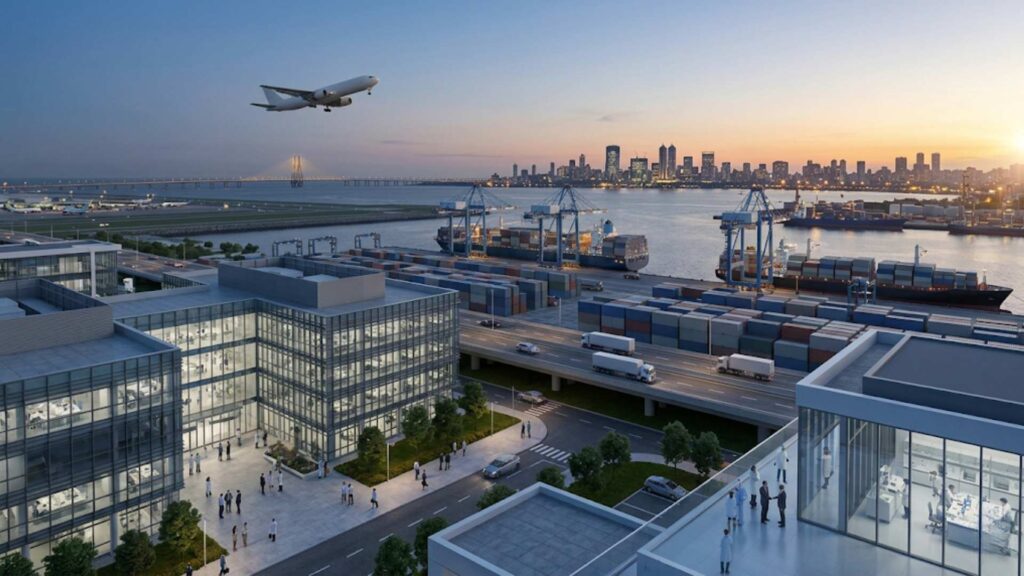
When entrepreneurs look to establish a highly profitable distribution network, partnering with mumbai pcd pharma companies is rapidly becoming the strategic choice of the decade. As the financial and commercial capital of India, Mumbai has evolved far beyond its traditional corporate roots to become an absolute powerhouse in the pharmaceutical sector. With state-of-the-art manufacturing corridors, a highly skilled scientific workforce, and unmatched logistics, the city provides a perfect launchpad for the Propaganda Cum Distribution (PCD) business model.
In the past, pharmaceutical manufacturing and distribution were heavily concentrated in northern tax-free zones. However, the modern healthcare landscape requires agility, advanced clinical R&D, and rapid market access—qualities that a major coastal metropolis provides effortlessly. Whether you are looking to launch a localized distribution network or an export-oriented franchise, Mumbai offers the corporate infrastructure required to scale rapidly without the traditional bottlenecks of rural manufacturing zones.
By aligning with a top-tier pcd pharma franchise in mumbai, distributors gain immediate access to premium formulations, massive institutional hospital networks, and a highly affluent retail market. In this guide, we break down the specific infrastructural, economic, and clinical factors that are driving Mumbai’s emergence as India’s premier pharmaceutical franchise hub.
The Transformation of India’s Commercial Capital
The shift toward Mumbai is not coincidental; it is the result of decades of integrated industrial planning and massive private sector investment. The city and its surrounding regions—including Thane, Navi Mumbai, and the broader Maharashtra Industrial Development Corporation (MIDC) zones—now account for a massive percentage of India’s overall pharmaceutical output and exports.
Core drivers of this regional transformation:
- Corporate Concentration: Mumbai houses the global and national headquarters of India’s largest multinational pharmaceutical companies, creating a deep pool of executive and scientific talent.
- Proximity to APIs: The western corridor provides immediate access to major chemical and Active Pharmaceutical Ingredient (API) manufacturers, reducing supply chain delays.
- Export Dominance: Maharashtra currently accounts for over 20% of India’s pharmaceutical exports, driven by the city’s robust port and aviation infrastructure.
The Strategic Advantages of the Mumbai Pharma Ecosystem
For a PCD franchise owner, the location of the parent company dictates the efficiency of the entire business. Partnering with a Mumbai-based entity offers distinct operational advantages over geographically isolated manufacturers.
Unmatched Infrastructure and Global Connectivity
Supply chain reliability is the backbone of the pharmaceutical industry. A stock-out at a local pharmacy can result in the permanent loss of a prescribing doctor. Mumbai’s infrastructure ensures that franchise distributors never face prolonged delays.
Key logistical advantages:
- Advanced Sea Ports: The presence of the Nhava Sheva (JNPT) port allows for rapid import of high-grade raw materials and seamless international export operations.
- Air Freight Hubs: The Chhatrapati Shivaji Maharaj International Airport provides specialized, temperature-controlled cargo facilities crucial for transporting sensitive biologicals and vaccines.
- Rapid Regional Transit: The extensive road and rail networks connected to the Mumbai-Pune expressway ensure that franchise orders can be dispatched to tier-two and tier-three cities within 24 to 48 hours.
Access to Elite WHO-GMP Certified Manufacturing
Mumbai is not just a trading hub; it is an elite pharma manufacturing hub. The region boasts one of the highest concentrations of US-FDA, EU-GMP, and WHO-GMP approved facilities in the country.
Why this benefits PCD franchisees:
- Uncompromising Quality: Access to cleanrooms equipped with positive pressure and HEPA filtration ensures that every formulation is sterile and clinically effective.
- Advanced R&D: Mumbai-based companies invest heavily in formulation development, allowing franchisees to distribute cutting-edge micro-emulsions, sustained-release tablets, and advanced liposomal gels.
- Regulatory Compliance: Strong local regulatory bodies and strict FDA oversight mean that products sourced from Mumbai carry an inherent stamp of clinical trust.
Expert Insight:
The geographic origin of a pharmaceutical product heavily influences a doctor’s perception. When a medical representative details a product manufactured in a high-tech Mumbai facility, it immediately signals adherence to international quality standards, drastically reducing the friction required to secure a prescription.
Evaluating the Mumbai Healthcare Market Demand
To understand why PCD companies are flocking to this region, you must look at the end consumer. Mumbai features one of the most dynamic and lucrative patient demographics in the country.
High Urban Healthcare Awareness and Spending
The population in the Mumbai Metropolitan Region (MMR) is highly educated regarding preventative healthcare and chronic disease management.
Market demand pointers:
- Purchasing Power: Higher per capita income translates to a willingness to pay for premium, branded medications over cheaper generic alternatives.
- Institutional Healthcare: The city is densely packed with premium multi-specialty hospitals and corporate clinic chains that require massive, uninterrupted pharmaceutical supplies.
- Chronic Care Focus: Urban lifestyle stressors lead to high demand for cardiovascular, anti-diabetic, and neuropsychiatric medications, ensuring consistent repeat prescriptions.
The Boom in Specialized Dermatology and Aesthetics
Dermatology is experiencing explosive growth within the city. The combination of intense coastal humidity, urban pollution, and a highly fashion-conscious demographic has created a massive market for specialized skincare.
Opportunities in the Mumbai derma sector:
- Clinical Cosmeceuticals: A massive surge in demand for medical-grade Vitamin C serums, Glutathione tablets, and encapsulated retinoids.
- Aesthetic Clinics: The high concentration of celebrity cosmetologists and premium aesthetic centers provides a lucrative B2B market for advanced peeling solutions and barrier repair creams.
- Environmental Protection: Daily-use medical sunscreens and anti-pollution face washes are moving at unprecedented retail volumes.
Strategic Market Comparison: Mumbai vs. Traditional Hubs
While traditional tax-free zones in northern India remain significant for bulk generic manufacturing, Mumbai offers a distinctly different value proposition for franchise operators focused on quality and advanced formulations.
Regional Pharma Hub Comparison Table
Capability Metric | Mumbai / Maharashtra | Baddi / Northern Hubs | Business Impact for Franchisee |
Manufacturing Focus | Advanced R&D, complex formulations, biologics, premium cosmeceuticals. | High-volume, low-cost generic bulk manufacturing. | Mumbai provides access to high-margin, innovative products. |
Logistics & Connectivity | International sea ports and specialized air-cargo hubs. | Landlocked; reliant heavily on interstate road transport. | Mumbai ensures faster dispatch and fewer temperature-degradation risks. |
Corporate Presence | Headquarters for top MNCs and elite national brands. | Primarily third-party manufacturing outposts. | Aligning with Mumbai firms offers greater corporate prestige and marketing support. |
Target Retail Market | Premium clinics, massive hospital chains, affluent urban retail. | Rural and semi-urban mass-market distribution. | Higher retail MRPs and profit margins in the western corridor. |
How to Leverage the Mumbai Pharma Network
For entrepreneurs looking to build a secure, high-yielding business, tapping into the Mumbai ecosystem is highly strategic. Start by identifying a parent company that actually operates its own cGMP-certified manufacturing lines within the state, rather than just acting as a trading shell. Look for partners that offer exclusive monopoly rights, robust promotional support (including high-quality visual aids and detailing bags), and transparent pricing models.
By leveraging the advanced manufacturing infrastructure, unparalleled logistics, and deep medical credibility that Mumbai offers, you can build a pharmaceutical franchise that consistently outpaces local competition and secures long-term loyalty from the region’s top doctors.
Conclusion
Mumbai has decisively transitioned from being just a financial center to serving as the absolute epicenter of pharmaceutical innovation and distribution in India. The city’s unique combination of advanced WHO-GMP manufacturing facilities, rapid global and domestic logistics, and a highly lucrative urban healthcare market makes it the ultimate destination for PCD pharma companies. For distributors and franchise entrepreneurs, partnering with a Mumbai-based firm guarantees access to premium formulations, consistent supply chains, and the clinical credibility required to win prescriptions from top-tier doctors. As the healthcare landscape becomes more specialized, aligning with the Mumbai pharma ecosystem is the most secure path to long-term commercial success.