
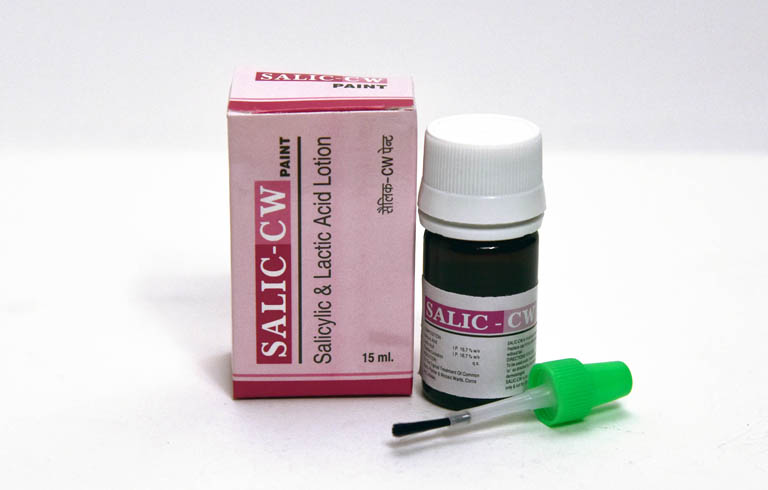
Achieving a flawless, acne-free complexion rarely comes from a single miracle ingredient; it comes from strategic chemical synergy. Today, dermatologists heavily advocate for the combined use of salicylic acid and lactic acid to comprehensively treat active breakouts, uneven texture, and stubborn dark spots. For years, consumers damaged their epidermal barriers with abrasive physical scrubs, leading to micro-tears and increased bacterial infections. Modern derma-cosmetic science has entirely shifted toward chemical exfoliation, which dissolves dead skin cells uniformly and safely.
While a Beta Hydroxy Acid (BHA) and an Alpha Hydroxy Acid (AHA) are highly effective independently, layering them creates a multi-depth dermatological treatment. This specific combination is widely considered the holy grail for acne-prone skin because it balances intense pore-clearing power with gentle surface hydration.
By understanding the distinct molecular properties of both ingredients, you can utilize this AHA/BHA duo to systematically dismantle the acne cycle—from the initial oil blockage deep within the pore to the residual dark scar left on the surface.
The Evolution of Clinical Exfoliation
The dermatological community has largely banned harsh physical exfoliants (like walnut scrubs) in clinical routines. Chemical exfoliants offer a far safer, mathematically precise alternative.
Why liquid chemical exfoliation is superior:
- Frictionless Action: Liquid acids break the desmosome bonds holding dead cells together without requiring aggressive, damaging physical rubbing.
- Predictable Depth: Formulators dictate exactly how deep an acid will penetrate based purely on its molecular weight and the product’s pH level.
- Targeted Delivery: Acids can be suspended in specific delivery vehicles (like serums or lotions) to treat active acne without triggering massive transepidermal water loss.
Understanding the Individual Acids
Before observing their combined power, it is crucial to understand how each acid functions chemically within the skin’s layers.
Salicylic Acid (BHA): The Pore Purifier
Salicylic acid is a lipophilic (oil-soluble) compound, making it the ultimate weapon against congestion.
Core functional mechanics of BHA:
- Lipid Penetration: Because it loves oil, it easily bypasses the skin’s natural sebum to enter deep into the sebaceous glands and follicle linings.
- Keratolytic Action: Once inside the pore, it rapidly dissolves the hardened mixture of dead skin cells and sebum that forms blackheads and closed comedones.
- Natural Anti-Inflammatory: Derived from willow bark, it inherently reduces the swelling, heat, and severe redness associated with large cystic acne.
Lactic Acid (AHA): The Hydrating Resurfacer
Lactic acid is a larger, hydrophilic (water-soluble) molecule that provides exceptional surface-level brightening.
Core functional mechanics of AHA:
- Surface Exfoliation: Its large molecular size prevents it from penetrating deeply, forcing it to work exclusively on the topmost layer of the stratum corneum to sweep away dull cells.
- Humectant Properties: Unique among exfoliating acids, lactic acid actively draws moisture from the environment into the skin, plumping the cells and preventing severe dryness.
- Melanin Disruption: It accelerates cellular turnover, rapidly forcing the skin to shed hyperpigmented cells left behind by old acne breakouts.
The Biochemical Synergy: Why Combining Them is Superior
When utilized together, these two acids create a dual-action mechanism that attacks the complete lifecycle of a blemish.
How the AHA/BHA synergy operates:
- The Drill and Sweep Method: Salicylic acid acts as the drill, dissolving the deep oil plug. Lactic acid acts as the sweeper, clearing away the dead surface cells so the oil can easily escape.
- Counteracting Dryness: BHAs can be inherently drying to the skin barrier. The hydrating humectant properties of lactic acid perfectly neutralize this, keeping the skin supple.
- Comprehensive Texture Refinement: The BHA flattens raised active pimples, while the AHA smooths out dry patches and rough micro-texture, resulting in a glass skin finish.
Expert Insight:
The brilliance of combining salicylic and lactic acid lies in their contrasting molecular behaviors. If you only use a BHA, your pores are clear, but your surface may look dull and dehydrated. If you only use an AHA, your surface is glowing, but you will still suffer from deep cystic blockages. Formulating them together creates a perfectly balanced ecosystem where acne cannot survive, and the skin barrier remains deeply hydrated.
How to Safely Integrate Both Acids into Your Routine
Applying two chemical exfoliants requires strict adherence to dermatological safety protocols to prevent chemical burns and severe irritation.
Strategic application pointers:
- Alternate Nights: If using them in separate serums, apply the BHA on Monday and the AHA on Tuesday. Never layer high-strength individual acids directly on top of each other.
- Look for Blended Formulas: The safest route is utilizing a professionally formulated product that blends both acids at optimal, stable pH levels, ensuring they buffer each other.
- Mandatory Barrier Support: Always follow your acid treatment with a thick, ceramide-rich moist lotion to seal the stratum corneum and prevent moisture evaporation.
- Non-Negotiable Sun Protection: Because AHAs slough off the protective top layer of dead skin, your fresh cells are highly vulnerable to UV radiation. Broad-spectrum SPF 50 is mandatory every morning.
Clinical Target and Formulation Efficacy Table
To fully grasp how this combination resolves complex skin issues, review their targeted clinical outcomes below.
Dual-Action AHA/BHA Synergy Table
Dermatological Concern | Salicylic Acid (BHA) Role | Lactic Acid (AHA) Role | Combined Clinical Outcome |
Severe Blackheads | Melts oxidized sebum trapped deep within the follicle. | Dissolves surface keratin trapping the pore. | Complete extraction of blackheads and tightened pore appearance. |
Active Inflammatory Acne | Calms severe redness and shrinks the inflamed cyst. | Hydrates the surrounding skin to prevent crusting. | Rapid flattening of pimples without extreme dryness or flaking. |
Post-Inflammatory Hyperpigmentation | Prevents future acne from forming new dark marks. | Accelerates the shedding of melanin-stained surface cells. | A consistently even, bright, and scar-free complexion over time. |
Dull, Rough Skin Texture | Smooths out micro-bumps caused by trapped subcutaneous oil. | Eliminates dry, flaky surface patches. | Maximum light reflection, yielding a radiant, smooth skin texture. |
Conclusion
The strategic combination of salicylic acid and lactic acid represents one of the most scientifically sound approaches to managing acne-prone skin. By utilizing the oil-soluble depth of a BHA to clear follicular blockages and the water-soluble, hydrating power of an AHA to resurface the epidermis, you comprehensively address skin health at every level. This powerful synergy not only neutralizes active breakouts but also actively repairs residual damage like post-acne scarring and rough texture. When integrated responsibly with adequate ceramide hydration and strict UV protection, this chemical exfoliation duo will permanently transform your complexion, delivering clear, resilient, and glowing skin.