
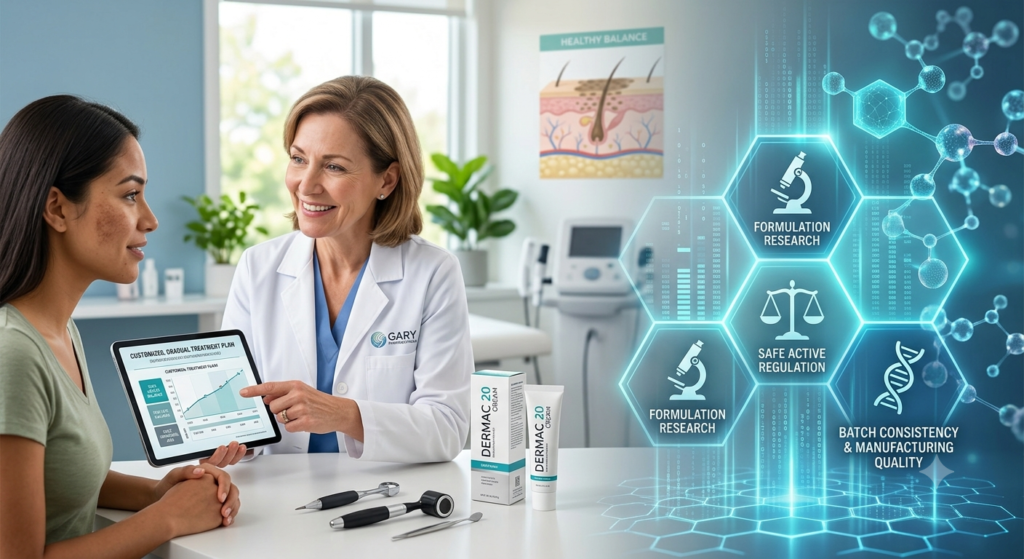
Skin pigmentation concerns have become increasingly common in dermatology, affecting individuals across different age groups and skin types. While factors such as sun exposure, hormonal changes, inflammation, and aging often contribute to uneven skin tone, successful management depends on understanding the underlying cause rather than simply reducing visible pigmentation. This evolving perspective has changed how healthcare professionals approach treatment.
Modern dermatology focuses on improving overall skin health while addressing pigmentation disorders through scientifically developed formulations. Instead of seeking quick cosmetic results, dermatologists now emphasize safe, evidence-based solutions that provide gradual and consistent improvement. This approach has also encouraged pharmaceutical manufacturers to develop advanced skin lightening products supported by formulation science and quality manufacturing.
For healthcare professionals, distributors, and manufacturers, understanding the principles behind modern pigmentation care is essential for selecting products that combine safety, consistency, and longterm clinical value.
Understanding the Causes of Skin Pigmentation
Skin pigmentation develops when melanin production becomes uneven, resulting in darker patches or discoloration. While pigmentation itself is not usually harmful, identifying its cause is essential before recommending treatment.
Conditions such as postinflammatory pigmentation, prolonged sun exposure, hormonal fluctuations, and aging can all influence melanin production. Because these conditions vary from person to person, dermatologists often recommend individualized treatment plans rather than a one-size-fits-all solution.
Modern hyperpigmentation treatment focuses on addressing both the visible pigmentation and the factors that contribute to its recurrence, helping patients achieve more sustainable results over time.
Choosing Advanced Skin Lightening Products
Modern dermatology is shifting focus away from quick-fix cosmetic brighteners toward safe, evidence-based skin lightening products that deliver consistent, long-term clinical value. Rather than simply masking uneven skin tone, effective pigmentation care requires addressing the underlying root causes whether driven by sun exposure, hormonal fluctuations, post-inflammatory damage, or aging. By prioritizing overall skin barrier health alongside active melanin regulation, dermatologists and pharmaceutical manufacturers are establishing new standards for sustainable pigmentation management.
Through scientific formulation and strict quality manufacturing, advanced skin lightening products offer a balanced approach that supports gradual skin tone improvement while minimizing irritation. Solutions like Gary Pharmaceuticals. Dermac 20 Cream demonstrate how dermatologically guided formulations integrate seamlessly into comprehensive treatment plans. By combining precise clinical diagnosis, stable ingredient delivery, and routine sun protection, healthcare professionals can confidently guide patients toward safe, predictable, and lasting skin health outcomes.
Why Safe Pigmentation Care Starts with the Right Diagnosis
Not every pigmentation concern responds to the same treatment. Melasma, postinflammatory hyperpigmentation, and suninduced pigmentation each have different underlying causes and may require different therapeutic approaches.
This is why dermatologists begin with an accurate clinical assessment before selecting appropriate pigmentation care products. Choosing a formulation without understanding the underlying condition may lead to inconsistent outcomes or unnecessary skin irritation.
Effective pigmentation care also involves protecting the skin barrier while gradually improving skin tone. Products developed with this balanced approach are generally better suited for longterm use under professional guidance.
Healthcare professionals typically consider:
- The cause of pigmentation
- Skin sensitivity
- Duration of treatment
- Overall skin condition
- Patient compliance
The Science Behind Modern Pigmentation Formulations
Modern dermatology formulations are designed to do much more than improve skin appearance. Stability, ingredient compatibility, and formulation quality all influence how effectively a product performs throughout treatment.
This scientific approach is particularly important for melasma treatment products, where gradual improvement and skin tolerability play a significant role in achieving consistent outcomes. A well developed formulation helps maintain product stability while supporting patient comfort during continued use.
Similarly, carefully formulated pigmentation care products are developed to complement professional dermatological care by balancing efficacy with overall skin compatibility.
A reliable dermatology formulation should provide:
- Consistent product quality
- Stable ingredient performance
- Good skin compatibility
- Reliable manufacturing standards
These characteristics help healthcare professionals confidently recommend products as part of comprehensive pigmentation management.
Choosing Reliable Pigmentation Care Solutions
Selecting dermatology formulations involves much more than reviewing ingredient lists. Healthcare professionals increasingly evaluate manufacturing standards, formulation research, quality assurance, and clinical consistency before recommending products.
Reliable pharmaceutical manufacturers invest in standardized production processes that ensure dependable performance across every batch. This consistency helps build confidence among dermatologists, distributors, and healthcare providers.
When evaluating pigmentation formulations, important considerations include:
- Scientific formulation
- Manufacturing quality
- Batch consistency
- Product stability
- Dermatology expertise
At Gary Pharmaceuticals, these principles guide the development of dermatologyfocused formulations. Dermac 20 Cream is developed to support professional pigmentation management through a carefully balanced formulation designed for consistent quality and dependable clinical performance. As part of broader hyperpigmentation treatment strategies, Dermac 20 Cream complements dermatologistrecommended skincare routines while supporting safer, longterm pigmentation care.
Supporting LongTerm Skin Health
Managing pigmentation requires patience and consistency. Lasting improvement is rarely achieved through aggressive treatment alone. Instead, dermatologists encourage a longterm approach that combines appropriate formulations, sun protection, and regular skincare.
Supportive skincare routines help maintain treatment outcomes while reducing the likelihood of recurring pigmentation. This comprehensive strategy allows healthcare professionals to achieve better patient satisfaction and more predictable clinical results.
As dermatology continues to evolve, longterm skin health remains just as important as improving visible pigmentation.
Final Thoughts
Modern pigmentation management has moved far beyond cosmetic brightening. Today’s dermatology solutions focus on understanding the underlying causes of pigmentation while delivering safe, scientifically developed formulations that support healthy skin over time.
Healthcare professionals increasingly rely on pharmaceutical manufacturers that prioritize formulation science, manufacturing quality, and clinical consistency. By combining these principles with responsible product development, companies can support better treatment outcomes across a wide range of pigmentation concerns.
Through dermatologyfocused solutions such as Dermac 20 Cream,Gary Pharmaceuticals continues to contribute to evidencebased pigmentation care while helping healthcare professionals deliver safe and effective skin management solutions.